Welcome to Topcraft kitchen and bath Co,. Ltd.


Blog
-
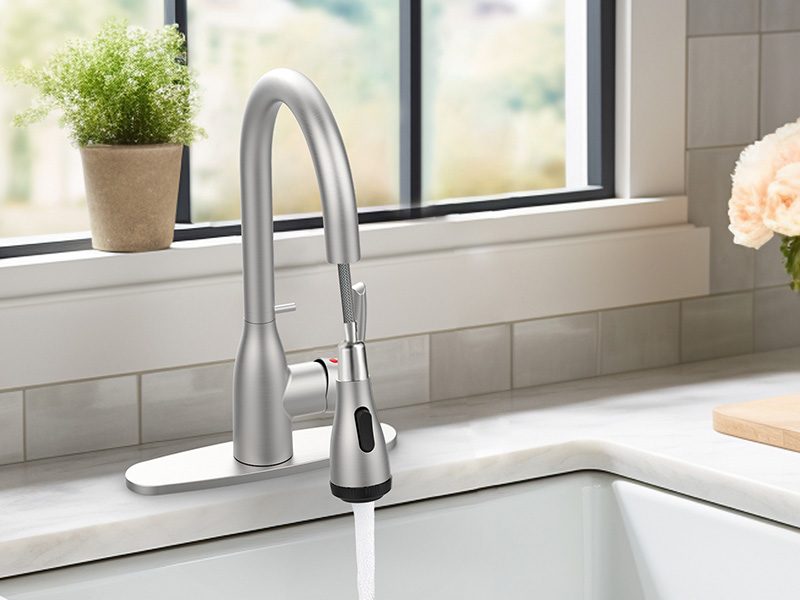
How Faucet Component Standardization Cuts B2B Warehouse Inventory by 20%?
In the competitive B2B plumbing supply landscape, inventory carrying costs directly impact bottom-line profitability. Plumbing distributors, wholesalers, and brand owners often face severe inventory bloating caused by over-categorized replacement parts. Managing dozens of unique ceramic cartridges and thread-specific aerators across separate kitchen and bathroom product lines ties up working capital, consumes warehouse footprint, and complicates order fulfillment. Standardizing core components—specifically valve cartridges and water aerators—across kitchen and bathroom faucet catalog lines is a high-leverage supply chain optimization strategy. By engineering cross-category compatibility, hardware importers and distributors can reduce spare parts inventory backlog by at least 20% whi...Learn more -
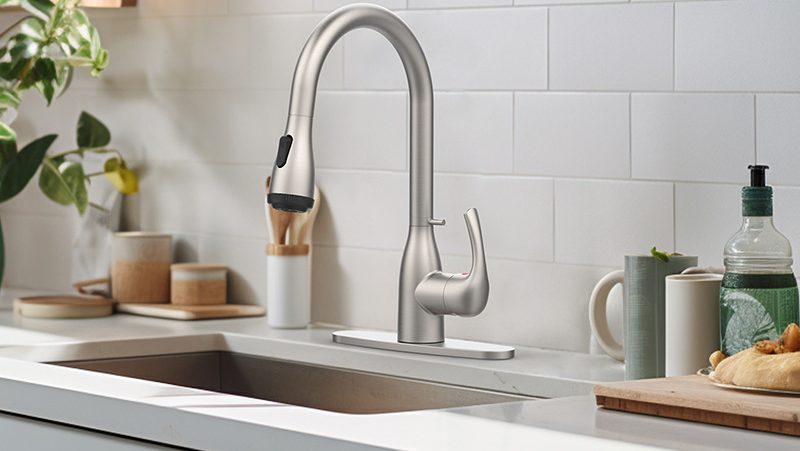
The B2B Sourcing Guide to Touchless Kitchen Faucets: How to Eliminate False Triggers and Dead Batteries?
Driven by post-pandemic health awareness and smart home adoption, touchless kitchen faucets have transitioned from luxury fixtures into standard inclusions for mid-to-high-end residential and commercial builds. However, for B2B procurement professionals, importers, and brand owners, electronic plumbing fixtures carry a distinct risk: field failure rates are significantly higher than traditional mechanical mixers. Combining micro-electronics with water lines under a humid, cramped kitchen sink is a recipe for warranty claims if supplier engineering isn’t vetted properly. In the kitchen, two technical factors determine whether a product earns five-star reviews or tanks your brand’s reputation: Anti-False Triggering and Power Management. This evaluation blueprint covers ...Learn more -
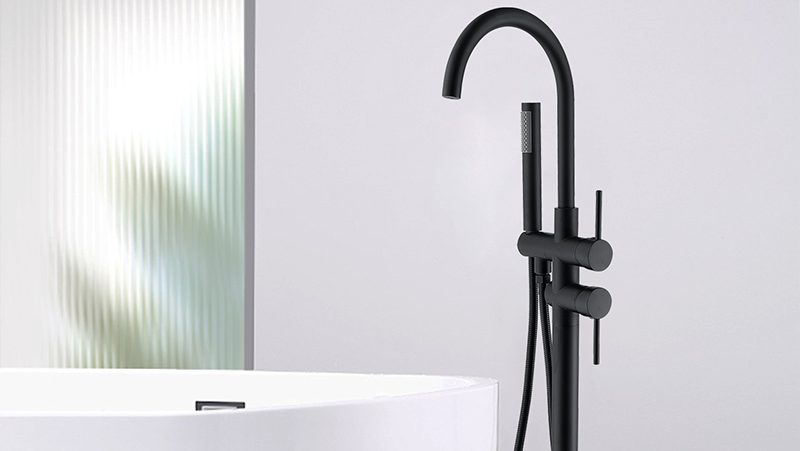
The Sourcing Guide to Waterfall Bathtub Faucets: Flow Rates, Water Pressure, and Zero-Defect Procurement
For sanitary ware brands, plumbing contractors, and wholesale importers, waterfall bathtub faucets are undeniable profit drivers. Their sleek, open-channel design delivers a luxury spa aesthetic that retail buyers and hospitality clients gladly pay a premium for. However, waterfall tub fillers also hold an unfortunate industry reputation: they carry one of the highest customer complaint and return rates in the faucet category. End-users almost always complain about two things: “It takes half an hour to fill my bathtub.” “The waterfall looks like a trickling leak rather than a luxurious sheet of water.” When negotiating OEM/ODM orders or placing bulk production runs, mastering the technical nuances of flow rate (GPM / L/min) and dynamic water pre...Learn more -
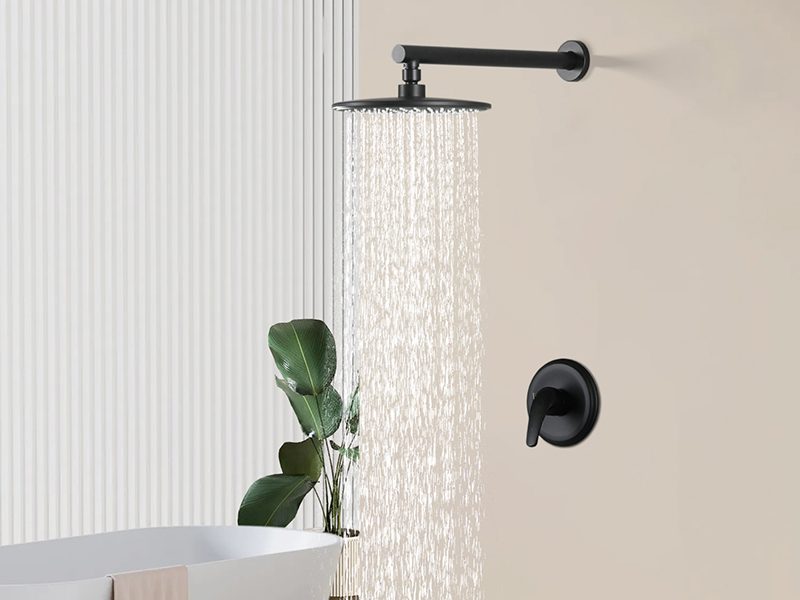
Bulk Showerhead Inspection Guide: How B2B Buyers Eliminate 90% of Project Claims?
For sanitary ware importers, engineering contractors, and brand distributors, the biggest threat to profitability isn’t shipping delays—it’s receiving a container full of quality defect claims. Over 90% of field returns for concealed shower systems and premium showerheads stem from joint micro-leakage and rough diverter switching. Once installed on a job site, a single leak causes expensive water damage claims and destroys hard-earned brand reputation. Performing a standardized Pre-Shipment Inspection (PSI) before container loading serves as your most effective line of defense. OEM Showerhead Quality Control: The 3-Step Inspection Protocol 1. Air Tightness & Dual-Pressure Hydraulic Testing (100% Sampling) 0.6 MPa Submerged Air Leakage Test: Connect the showerh...Learn more -
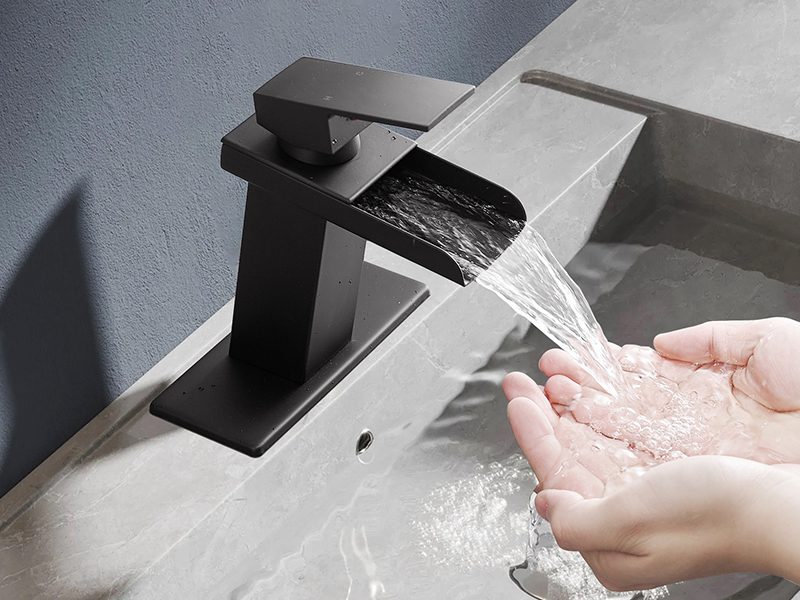
Black faucet return rate over 40%? Sourcing must-read! PVD coating vs paint process comparison
Matte black kitchen faucets remain a consistent top-seller for wholesale distributors and commercial project buyers. However, surface scratches, flaking, and paint chipping account for over 40% of all after-sales quality claims on black sanitary ware. For professional procurement teams and wholesalers, understanding the structural differences between PVD (Physical Vapor Deposition) Coating and Standard Spray/Powder Paint is essential to reducing product liability and securing profit margins. 1. Technical Principles: Physical Layer vs. Molecular Fusion The durability of a black faucet depends entirely on how the finish bonds to the metal substrate (SUS304 stainless steel or H59 brass): Standard Spray / Powder Paint (Physical Surface Layer)Paint or powder resin is electrosta...Learn more -

Pull-Out Kitchen Faucet Hose Bursting in Commercial Apartments: 3 Sourcing Mistakes to Avoid
Summary: Water damage caused by hose failure in multi-family residential buildings results in costly property claims and tenant disruption. Primary root causes include sub-grade PVC inner tubing, rough counterweight finishes, weak quick-connect couplings, and underrated ceramic cartridges. Below is a technical breakdown of how to evaluate and audit these components when purchasing Pull-Out Kitchen Faucets for commercial projects. 1. Sourcing Mistake 1: Specifying Low-Grade Inner Tube Materials Inner tube material selection directly determines hose lifespan under continuous pressure. Cost-focused factories frequently use basic PVC inner tubes inside Faucet Hoses, which degrades rapidly under fluctuating temperatures and static water pressure. Material Performance Comparison ...Learn more -

5 Red Flags When Sourcing Undermount Kitchen Sinks in Bulk (201 vs 304 Stainless Steel Scams)
Summary: Bulk purchasing Stainless Steel Kitchen Sinks comes with specific margin risks. Common problems include material switching from 304 to 201 steel, rim warping during container transport, wall thickness tricks, toxic asphalt sound pads, and non-standard drain sizes. Below is a practical breakdown of how to audit these issues during production and pre-shipment inspection for Undermount Kitchen Sinks. 1. Material Substitution: The 201 vs 304 Stainless Steel Switch Factory material substitution remains a primary cost-cutting tactic in high-volume sink manufacturing. A supplier may submit genuine 304 material for pre-production approval, then switch to 200-series alloys like 201 or 202 for the full production run. This cuts raw material costs by roughly 25% to 35%. Performa...Learn more -
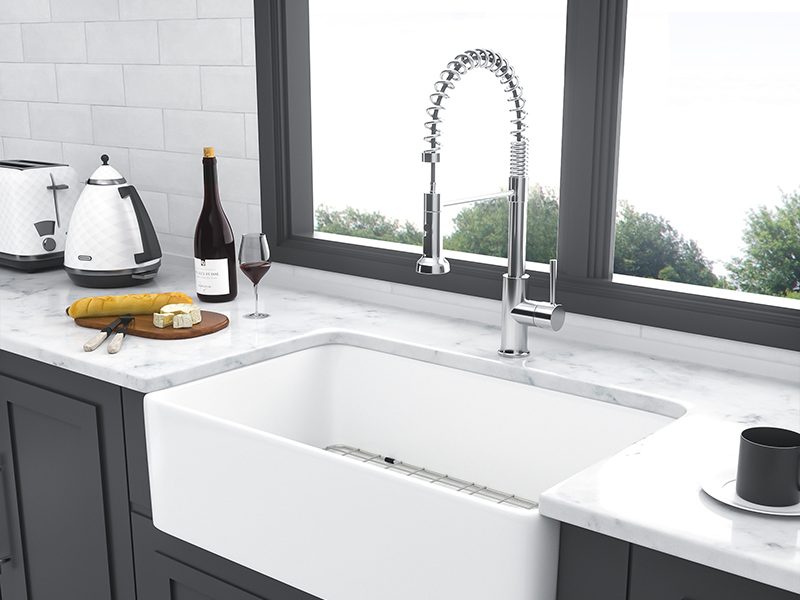
36″ Farmhouse Kitchen Sink Packaging: How to Eliminate 1.2m Drop Test Damage?
The Hidden Cost of Last-Mile Delivery for Heavy Kitchen Sinks A 120-pound fireclay apron front unit drops two feet off the edge of a delivery ramp. The brown outer box shows only a scuffed corner, but inside, a micro-fracture spiderwebs across the porcelain face. By the time the homeowner opens that box, the damage is done. The importer pays for return freight, absorbs the write-off, and handles a frustrated customer review. For category buyers, supply chain managers, and hardware retail merchants, oversized apron-front units represent high gross margins alongside some of the highest logistics loss rates in home improvement. Fireclay and porcelain models weighing between 40 kg and 60 kg suffer damage rates between 15% and 25% when shipped via standard parcel networks like FedE...Learn more -
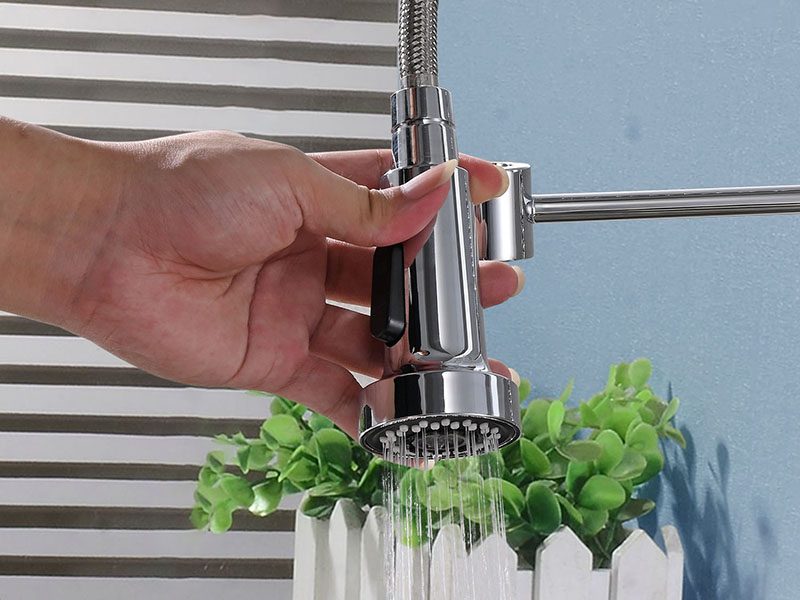
Why Pull-Out Faucet Spray Heads Jam and Leak? 50,000-Cycle Test Findings
When a customer leaves a 1-star review for a pull-out kitchen faucet, the brass body or ceramic cartridge is rarely at fault. Over 80% of post-sale warranty claims trace back to one overworked component hidden underneath the sink: the flexible hose assembly. A frayed outer mesh locks the line inside the spout. High surface drag stops the counterweight from snapping the spray head back into place. A cheap inner liner cracks under normal household water pressure spikes, leaking into the customer’s kitchen cabinet. A single hose failure can quickly erase your profit margin on an entire container shipment. The Engineering Breakdown: Why Standard Pull-Out Faucet Hoses Fail? Braid Fraying and Surface Drag Every time an end-user pulls the sprayer, the hose grinds against the...Learn more -
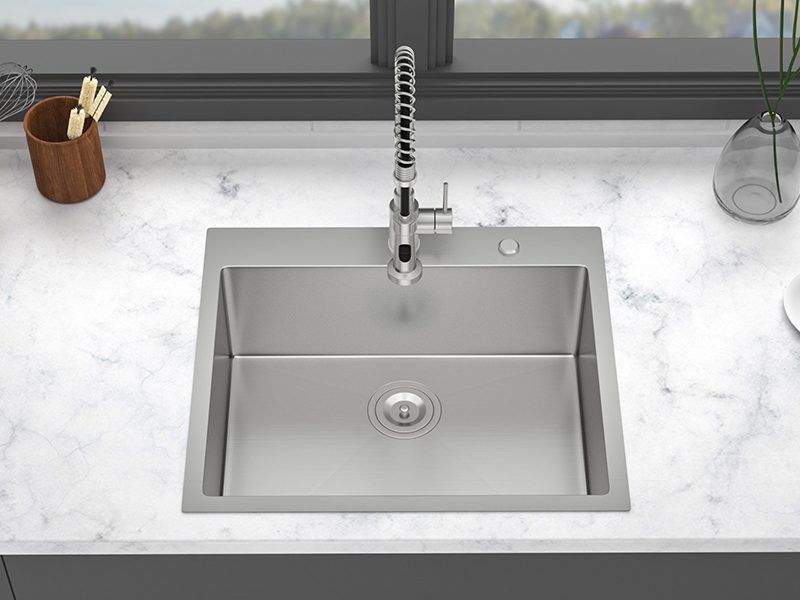
Ultimate Guide to Fixing Faucet Cartridge Seizure: 95 vs 99 Alumina Disc & Lifetime Performance
If you have ever managed sourcing or customer service for kitchen and bath products, you know this scenario all too well. Whether you are dealing with high-volume kitchen faucets, popular bathroom faucets, or heavy-duty hot and cold mixing valves, a client might praise the faucet handle smooth operation upon unboxing, but just a few months later, bad reviews start rolling in about a faucet handle feeling stiff, a faucet cartridge sticking, or a faucet leaking and dripping. A wrong choice in a cheap faucet ceramic disc cartridge can trigger massive product returns, ruin your brand reputation, and erase your profits through warranty claims. Many sourcing managers assume that a stiff faucet handle is simply caused by factory workers not applying enough grease. That is rarely the cas...Learn more