

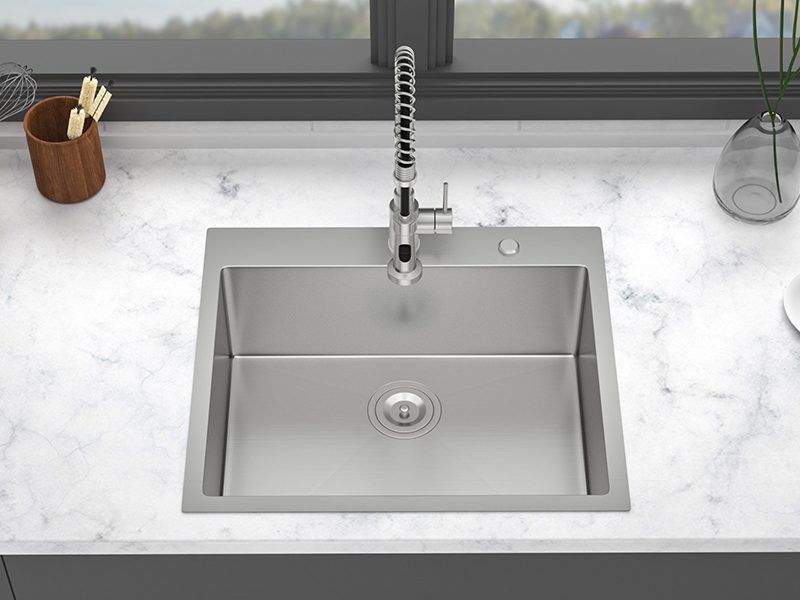
If you have ever managed sourcing or customer service for kitchen and bath products, you know this scenario all too well. Whether you are dealing with high-volume kitchen faucets, popular bathroom faucets, or heavy-duty hot and cold mixing valves, a client might praise the faucet handle smooth operation upon unboxing, but just a few months later, bad reviews start rolling in about a faucet handle feeling stiff, a faucet cartridge sticking, or a faucet leaking and dripping.
A wrong choice in a cheap faucet ceramic disc cartridge can trigger massive product returns, ruin your brand reputation, and erase your profits through warranty claims.
Many sourcing managers assume that a stiff faucet handle is simply caused by factory workers not applying enough grease. That is rarely the case. In reality, handle stiffness and cartridge seizure stem from a fatal combination of ceramic surface roughness and grease washing out under hot water flow.
What Actually Causes Faucet Cartridge Seizure and Leaks?
In everyday home use, whether it is a residential sink or any commercial faucet, the unit undergoes hundreds of turns while handling changing water temperatures. Two major factors destroy cartridge performance:
1. Hot Water Flushing & Grease Emulsification
Kitchen and bath water temperatures often reach 60°C to 80°C. Standard food-grade methyl silicone grease quickly emulsifies and washes away under these temperatures. Without lubrication, the ceramic discs collide directly, leading to severe faucet dry friction.
2. Hard Water Minerals & Micro-Scratching
Under dry friction, calcium and magnesium deposits from hard water act like sandpaper between the discs. They scratch microscopic grooves across the sealing surface, causing faucet torque decay and preventing the valve from sealing tightly, which eventually leads to a faucet dripping continuously.
95% vs 99% Alumina Ceramic Discs: What’s the Difference?
When reviewing supplier quotes, you often see options for 95 alumina or 99 alumina ceramic discs. Here is how they actually compare in technical performance:
| Performance Metric | 95% Alumina Ceramic Disc | 99% Alumina Ceramic Disc |
| Surface Roughness | 0.2 – 0.3 µm | < 0.1 µm (Mirror Finish) |
| Vickers Hardness | ~1100 HV | ~1600 HV (High Scratch Resistance) |
| Dry-Friction Cycle Life | ~100,000 cycles (Torque grows fast) | 500,000+ cycles (Zero torque growth) |
| Matched Lubricant | Standard Food-Grade Silicone Grease | High-Viscosity PFPE Grease |
| Application Scenario | Budget / Mass-Market Faucets | Premium / Commercial Faucets with 5-10 Year Warranties |
Quick Quality Testing Tips for Sourcing Managers
You do not have to wait months for a factory to complete a 500,000-cycle test. You can quickly test cartridge durability in your own lab using these two methods:
72-Hour Hot Water Immersion Test
Disassemble the faucet ceramic disc cartridge and submerge the discs with grease in 80°C hot water for 72 hours. Take them out, dry them, reassemble, and test the operating torque. If the torque increases by over 50%, the grease has terrible water wash-off resistance, indicating high risk for faucet grease loss.
Torque Decay Standard
After completing a 500,000-cycle endurance test, total operating torque growth should not exceed 1.5 times its original value. Anything beyond that indicates severe ceramic wear or lubrication failure.
Frequently Asked Sourcing Questions
- Q: Why does a new faucet feel smooth out of the box, but turn stiff after 3 months?
- A: That is a classic symptom of cheap silicone grease washing away. Factories use thick, low-grade grease to temporarily hide the rough surface of budget 95 ceramic discs. Once hot water flushes the grease away, the faucet turning resistance becomes obvious.
- Q: How do we balance cost when 99 alumina ceramic discs are more expensive?
- A: At Topcraft, we pair 99 alumina ceramic discs with high-viscosity PFPE lubricants on automated assembly lines. While component costs rise slightly, warranty claim rates drop below 0.01%, saving you far more money on after-sales support in the long run.
If you are looking for dependable kitchen and bath solutions, whether you want to upgrade your kitchen faucet line, bathroom faucet options, or overall faucet cartridge durability, feel free to reach out to our team at Topcraft. We can provide free cartridge samples and detailed lab testing reports to keep your product lines free from handle stiffness issues.