

When you are sourcing kitchen and bath fixtures on a global scale, the manufacturing process is only half the battle. The real test of a factory’s reliability happens after the products leave the assembly line and enter the international logistics pipeline. For wholesale distributors and plumbing supply importers, the longest and most volatile journey a product takes is inside an ocean shipping container crossing thousands of miles of sea.
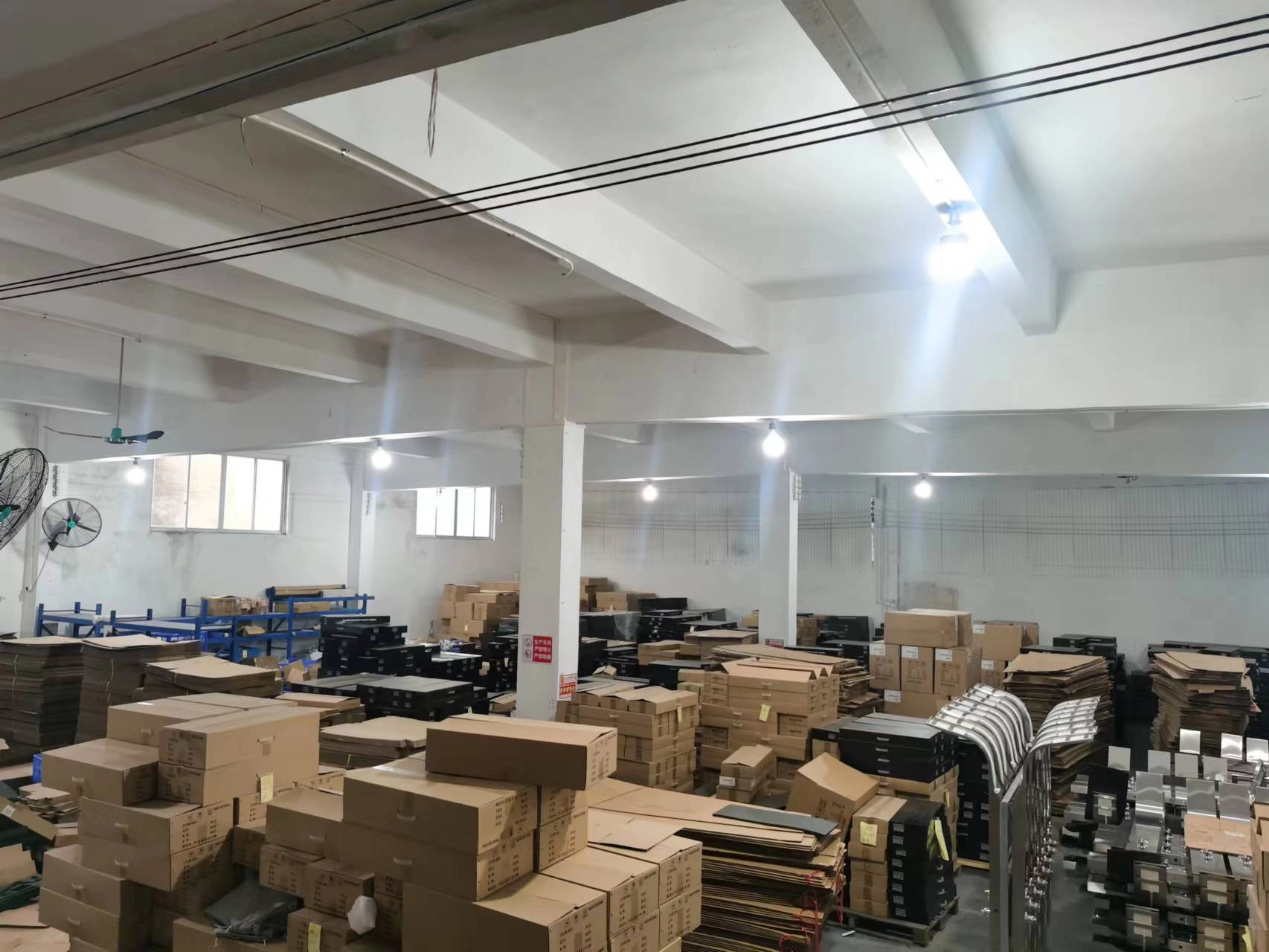
A walk through a dedicated final packaging and pre-shipment preparation floor reveals the critical steps taken to safeguard bulk investments. In this bustling zone of the workshop, team members handle the final, essential link in the production chain. They carefully sort, verify, and pack completed faucet assemblies, shower components, and specialized plumbing accessories into multi-layered protective arrays right before they are loaded into master cartons.
The primary enemy of heavy metal fixtures during long-transit shipping is friction and movement. Items like high-arc pull-down kitchen faucets, solid brass basin mixers, and heavy shower valve bodies are dense and metallic. If they are loosely packed, the constant vibrations of sea freight or rough handling during customs inspections can cause them to knock against each other. This results in scratched matte black coatings, dented threads, or compromised internal ceramic cartridges. To prevent these costly issues, the packaging area utilizes deep, custom-molded styrofoam staging trays. Each individual component sits securely in its own designated recess, completely isolated from surrounding parts, ensuring that a delicate brushed gold finish remains untouched throughout the entire transit process.
For commercial building material wholesalers and distribution networks across major markets like North America, Europe, and Australia, arrival condition directly impacts profitability. Receiving a container only to discover a high percentage of transit-damaged goods creates an immediate logistical nightmare. It delays construction handovers, disrupts local inventory fulfillment, and forces distributors to deal with tedious insurance claims. By treating the packaging and boxing stage with the exact same level of strict engineering control as the initial CNC machining or plating phases, a manufacturer can reduce transit defect rates to near zero.
An organized, systematic approach to export packaging is what allows a factory to confidently support high-volume B2B supply chains. Every box that is taped and stacked on a pallet represents a commitment to keeping local distribution channels running without a hitch. If you are looking to secure your product sourcing for the upcoming inventory cycles and need an experienced partner who understands the realities of international shipping logistics, contact our export team today. We are ready to help you plan your next container order with the peace of mind that your goods will arrive job-site ready.